
Significance of Makar Sankranti
Makar Sankranti is not just an astronomical event but holds profound cultural, religious, and social significance. It is a day dedicated to the worship of the Sun God, marking the beginning of the Sun’s northward journey, known as Uttarayan.
Mythological Stories
Several mythological stories are associated with Makar Sankranti. One prominent story states that on this day, Lord Surya visits his son Shani, the ruler of Capricorn (Makar). This signifies respect and harmony in father-son relationships. Another story is linked to the Mahabharata, where Bhishma Pitamah chose this day to relinquish his mortal body, as it is considered an auspicious day for attaining salvation.
Date of Makar Sankranti
Makar Sankranti is celebrated every year on January 14th. It symbolizes the Sun’s transition into the Capricorn zodiac sign, also known as Surya Sankranti.
How is Makar Sankranti Celebrated?
The celebration of Makar Sankranti varies across different states in India. The main attractions of the day include kite flying, consuming sesame and jaggery sweets, and performing holy rituals.
- Holy Bath and Charity
Taking a dip in sacred rivers like the Ganga, Yamuna, and Narmada on this day is considered highly auspicious. It symbolizes the purification of sins and spiritual cleansing. People also engage in acts of charity, especially by donating grains, clothes, sesame seeds, and jaggery. - Importance of Sesame and Jaggery
Sesame (til) and jaggery (gur) are the key elements of Makar Sankranti. Special sweets like sesame laddoos, chikki, and tilkut are prepared. These ingredients symbolize unity and sweetness, promoting the message of harmony by encouraging people to forget differences. - Kite Flying
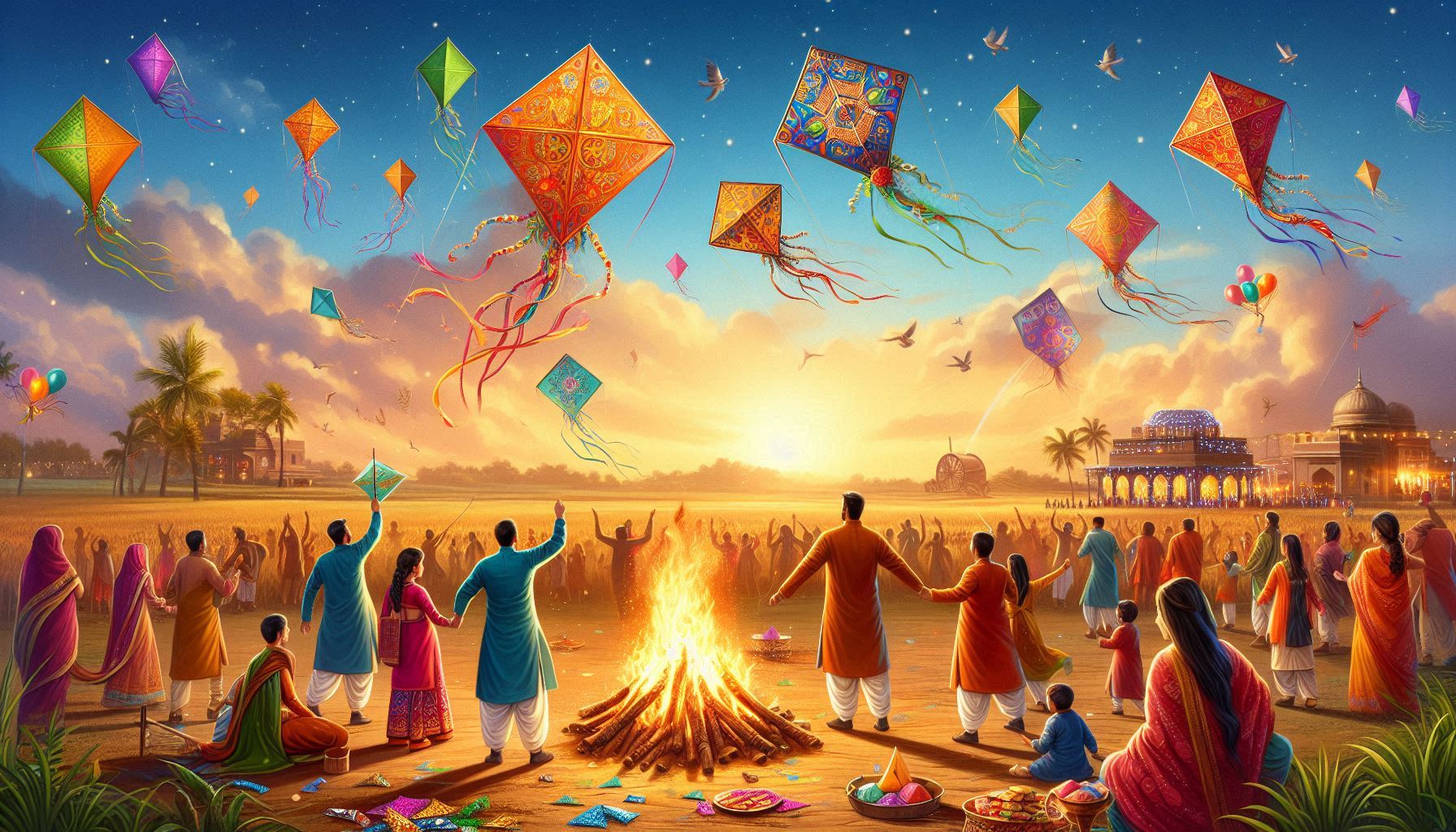
In states like Gujarat and Rajasthan, kite flying is the highlight of the festival. The sky comes alive with colorful kites, and slogans like “Kai Po Che” and “Yeh Kaata” fill the air. Kite flying is a symbol of joy, unity, and a way to worship the Sun God. - Games and Dance
In Tamil Nadu, the festival is celebrated as Pongal, featuring events like bull races (Jallikattu). In Punjab, during Lohri, people light bonfires and perform Gidda and Bhangra dances.
Dos and Don’ts on Makar Sankranti
Dos:
- Bath and Worship: Take a holy dip in sacred rivers and offer water to the Sun God.
- Charity: Donate sesame, jaggery, grains, and clothes for good karma.
- Positive Thinking: Promote happiness and harmony in your home and family.
- Enjoy the Festival: Participate in traditional meals, kite flying, and folk dances.
Don’ts:
- Avoid Negativity: Refrain from anger, disputes, or using harsh words.
- Avoid Inappropriate Diet: Stick to pure and vegetarian food. Avoid meat and alcohol.
- Be Careful: Fly kites responsibly to avoid accidents or injuries.
Scientific Aspect of Makar Sankranti
From an astronomical perspective, Makar Sankranti relates to the Earth’s orbital motion and the Sun’s position. On this day, the Sun enters Capricorn, and the days begin to lengthen while nights shorten. It signifies the onset of warmer days, marking an important phase for agriculture.
Makar Sankranti and Agriculture
Makar Sankranti is particularly significant for farmers as it marks the harvest of new crops. Crops like rice, sugarcane, and sesame are ready during this time, and farmers celebrate their hard work and prosperity.
Makar Sankranti is more than just a festival; it is a symbol of Indian culture. It provides an opportunity to express gratitude towards nature, family, and society. With the sweetness of sesame and jaggery and the joy of kite flying, this festival brings a message of happiness and positivity into our lives.